
Why study in Germany?
Top 10 reasons to study in Germany
The total number of international students enrolled at a higher education institution in Germany has surpassed 400,000 in 2020. Why study in Germany? Why Germany is one of the most popular student destinations for higher studies?

1.Strong economy
Germany is Europe’s strongest, largest economy.
- World's fourth-largest economy in terms of nominal GDP around 4 trillion USD
- World's third-largest exporter, value around 1.4 trillion USD in 2019
- Ranked the fourth country to file the most international patent applications in 2019
- Always maintains a lower unemployment rate, 4.4% as of September 2020
- Strong Industry Sector

2.Tuition-free education
In Europe, it’s usual that non-European students pay a large sum of college fees while the students from the European Union (EU) or European Economic Area (EEA) study free. Believe it or not, in Germany, you can study for free, even if you are from a Non-European Union country.
- Tuition-free education attracts a lot of smart international students making Germany one of the top destination for higher studies
- Public universities are tuition-free
- In the majority of public universities, all you need to pay ranges from €150 to €250 per semester to cover administrative and public transportation costs
3.World-class universities
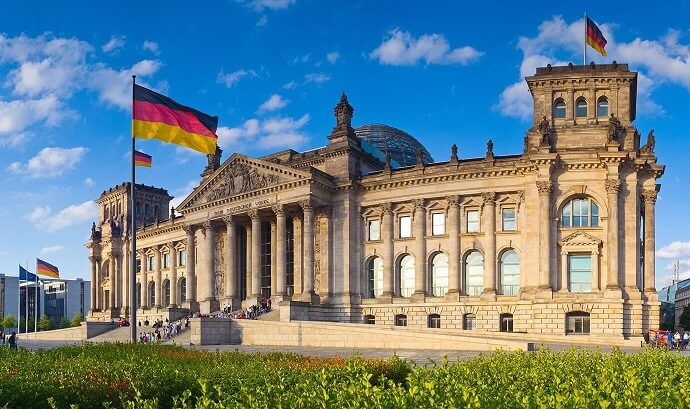
Many of the German universities regularly rank among the top 100 in international rankings. You can expect to receive a top-rated world-class education and high-quality teaching.
- Germany has rigid standards for accrediting its educational providers
- Top rated competitive professors and researchers
- Modern facilities with innovation networks, collaborative research centers and priority programs

4.Wide range of English Courses
If you are believing you need good German language skills to pursue your dream in Germany, you are wrong! Germany’s public universities have tuition-free study programs that are in English. You don’t have to be fluent or even have ever studied German to study in Germany.
- More than 240 universities in Germany offer more than 2,000 bachelor's and master's programs in English

5.Pocket-Friendly Cost of living
Living costs in Germany are very reasonable compared to other European countries. A major chunk of living costs generally belongs to the rent for accommodation.
- Student accommodation is highly discounted in comparison to the average costs of living in Germany
- When it comes to food and groceries, Germany is one of the cheapest countries in Europe
- Free public transport and travel for students
- Discounted Health insurance fees for all students
- Several discounts for students if they show valid student ID

6.Part-Time job opportunities
There are many ways for international students in Germany to earn money while they study to support their finances. A baby sitter, tutor, artist, IT programmer, librarian, painter, delivery boy, pizza service, well, you name it, the options are endless!
- International students from other countries are allowed to work 20 hours per week or 120 full days or 240 half days per year
- Students can hold a mini job and earn up to 450 EUR per month without having to pay taxes

7.Job opportunities
You’ve worked hard and received your diploma. The million-dollar question is when you would get a job. German high education is recognized all over the world, which gives you an excellent career perspective.
- Germany is one of the countries with the lowest unemployment rates
- Germany has an aging population. So qualified graduates are in high demand
- German economy lacks experts in technological fields hence there's a high probability for students to get employed after graduation
- German job market has 1.2 million jobs places unfilled as of today
8.Smooth process to get a German Passport
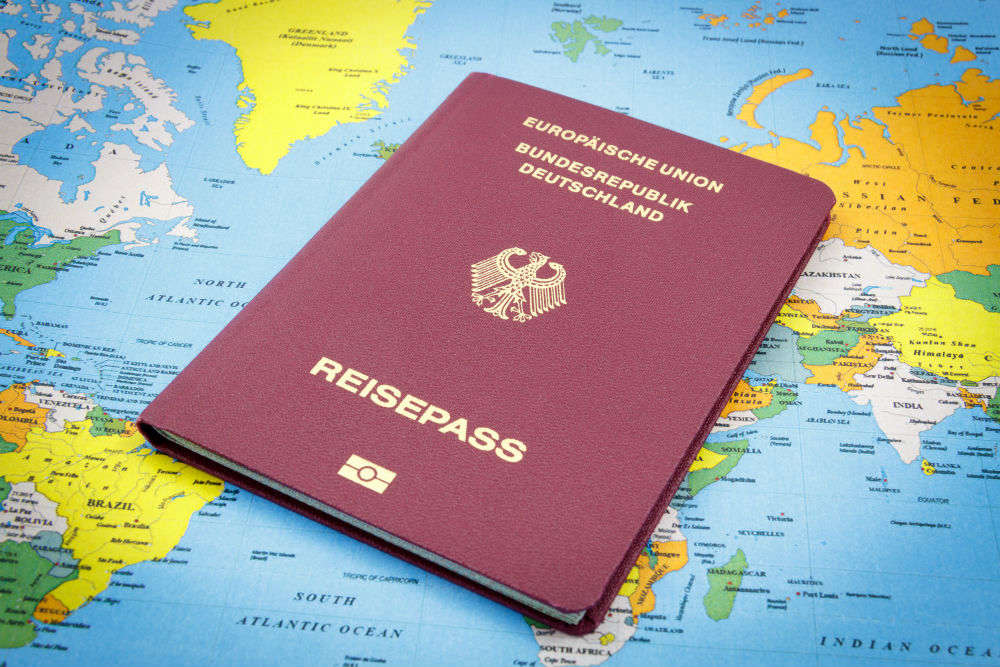
German citizens had visa-free or visa-on-arrival access to 189 countries and territories, ranking the German passport third in the world in terms of travel freedom (tied with the South Korean passport) as well as the most powerful passport in Europe
- On completion of your course of study, you can apply for a residence permit (job search visa) for up to 18 months
- During these 18 months, you can also work
- EU Blue Card is a special residence permit for foreign academics seeking qualified employment in Germany
- After 33 months, EU Blue Card holders may obtain a permanent residence permit
- After 8 years of residence permit, you can apply for a German visa

9.Strong health care system
Germany’s doctors, specialists, and facilities make the country’s health care s one of the very best healthcare systems in the world. Health insurance is obligatory, almost everyone is insured. On top of that, very comprehensive coverage is available at relatively low rates.
- Germany has public and private health insurance systems
- Mostly the doctors speak English
- Discounted Health insurance fees for all students
- The hospital or doctor visits are free as this is covered in the monthly insurance premium
- Public health insurance covers your children and your unemployed spouse for free

10.Great social benefits
Germany is known for its great generous type of welfare benefits not only for citizens but also for all the residents.
- Germany spends more than 25% of its GDP on public social spending
- If you are unemployed, you get around 70% (maximum of 1800 Euros per month) of your last income for 12 months
- The government work agency provides excellent support with the free sponsor of expensive technological courses or language courses
- You get unlimited paid sick leave
- The child benefit is a monthly payment given to all parents in Germany, regardless of their income, to ensure that their children’s basic needs are covered
- Tax deductions for child care and school fees
- Students can reclaim their tax for their tuition fees